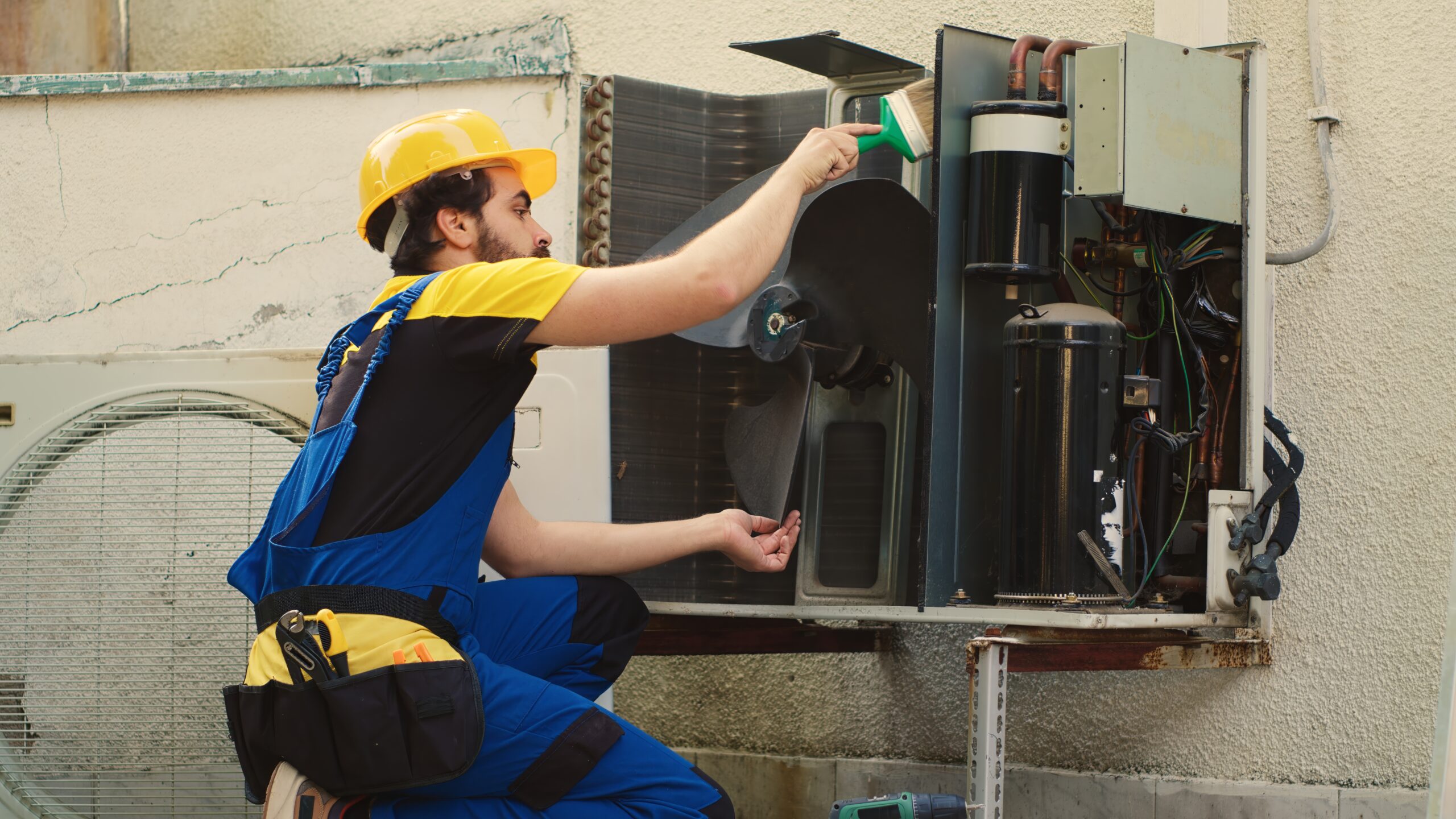

Hiring anyone to come into your home is never a small decision. Be it a plumbing, electric, roofing, or full renovation, the wrong repairman can take your precious time, money, and peace of mind. This is especially true when repairs seems urgent and that’s when homeowner starts to rush in their process.
Avoid these common mistakes to save you from some costly traps as you look to hire home contractor services in the near future. Here are the most common home repair mistakes homeowners make with hire home contractor and what you can do to avoid making the same ones.
1. Choosing Based on Price Alone
The cheapest quote often looks tempting. However one of the lowest bid can show there are corners cut, cheap material, or inexperience. Compare estimates based on value, not cost When comparing estimates, focus on value not cost not cost
A professional contractor will itemize aspects such as labor, materials, timelines, and warranties. A red flag pricing is a pricing which will be unclear or many times lower than competitors. Cutting corners to meet an impossible budget increases renovation risks.
Beware of comparing: Rather than chasing for the lowest price
Scope of work
Quality of materials
Timeline commitments
Past project experience
Warranty coverage
A few extra bucks for reliability pays off big time on the road.
2. Skipping Proper Contractor Verification
A failure to properly vet a contractor is one of the most common home repair blunders. Most homeowners only used a verbal guarantee or social media review.
Before hiring anyone, confirm:
Valid licenses
Insurance coverage
Business registration
References from previous clients
Physical office address
Insurance is especially critical. If not, you could be on the hook for damage to property or injury to workers.
Why contractor verification is not about distrust It is about accountability. Trusted professionals will never hesitate to provide documentation.
3. Not Getting a Written Contract
You just cannot get it on an informal basis. Even for small projects, a written contract should spell the following out:
Project scope
Payment terms
Start and completion dates
Materials to be used
Change order process
Warranty details
Flaws in documentation give rise to misunderstandings and misunderstandings turn into disputes in quick succession. Having written agreements protects both the contracting parties and minimizes risks involved with renovation.
Shy away from contractors who push back against paperwork or claim that you do not need a contract.
4. Paying Too Much Upfront
Deposits are normal. It is not OK to pay in fullbefore work has been completed.
What seems like a fair payout structure could be:
Initial deposit
Mid-project milestone payment
Payment due after the completion and inspection
With sizeable upfront payments, you lose your leverage. In the event of a contractor delaying or abandoning the project, obtaining your money back can be a challenge.
Structured payments help keep accountability during the entire process of work when hiring home contractor services.
5. Ignoring Reviews and References
Reviews online give helpful information, but they should never be your only evaluation. When possible, talk to some past clients directly. Ask specific questions:
Did the project finish on schedule?
Were there unexpected cost increases?
How was communication handled?
Would you hire them again?
Trusted professionals have satisfied customers and do not hesitate to give references.
Avoid companies that have no online presence, insufficient reviews or without detailed but overly perfect ratings.
6. Overlooking Communication Style
Having the technical skills is important, but communication skills are equally important. Most of the risks associated with a renovation arise from lack of coordination, failure to set expectations, or lack of timely updates.
Pay attention to how the contractor speaks to you when you first contact them:
Are they responsive?
Do they explain details clearly?
Are they willing to hear out your grievances?
Do they provide realistic timelines?
If you feel that the communication is quick and dismissive before even setting to work, it may only improve once the work actually commences.
A personal relationship grounded in clarity can save you unnecessary headaches and costly home repair blunders.
7. Not Defining the Project Scope Clearly
Scope vagueness leads to creeping, costing overrun, and disputes.
For instance, saying that we should “renovate the kitchen” is vague. A detailed scope should include:
Cabinet specifications
Countertop material
Electrical upgrades
Plumbing modifications
Painting details
Flooring type
Having expectations written down reduces the vagueness. Meaning also, that — when we have it, and that will protect your budget and timeline.
8. Ignoring Permits and Local Regulations
Certain renovations require permits. Forgetting this step can lead to fines, unsuccessful vehicle inspections or problems when reselling.
Such experts know the local regulations and help you with the permits. Another huge red flag is if a contractor tells you that getting permits will be a waste of time or money.
Permit compliance protects the value of your property and ensures that the work has been done in a safe manner.
9. Failing to Plan for Contingencies
Even well-planned projects encounter surprises. During the process, however, hidden structural problems, old wiring, or plumbing issues can be revealed.
Set aside a contingency budget in the 10 to 20 percent range of the original estimate. In the absence of this buffer, homeowners are driven to hasty choices or subpar repairs.
Contingencing for the unexpected is a no-fail way of reducing the risk of renovations along with keeping your financial outlay to a minimum.
10. Not Comparing Multiple Contractors
Settling for the first contractor you come across is limiting your options. You can comprehend with comparing at least three professionals with reference to:
Market pricing
Different approaches
Alternative materials
Realistic timelines
This provides you with confidence that the final decision is the right one. It further hones an insight into what professionalism really looks like.
With intelligent hiring of the hire home contractor services, you become able to control the outcomes of both quality and budget.
11. Neglecting Post-Project Inspection
The last payment is often the biggest home repair mistakes make as they pay their contractor without reviewing the completed work thoroughly.
Before releasing the final installment:
Inspect all finishes carefully
Test electrical and plumbing fixtures
Confirm cleanup
Ensure that materials agreed have been used
Request warranty documentation
Ensure alignment with the contract Stuff like this is precise. Take a deep dive
Bottom Line
It’s not simply about getting someone whose schedule works, right? Investing wisely to protect your investment. Homeowners skip over the most important steps or they take them so quickly that it creates mistakes in their home repairs.
When you focus on contractor verification, always demand contracts, ensure payments are on track, and work with qualified professionals, you minimize renovation risk substantially. Projects are easier and results are stronger when we take the time to consider what we are doing and how we are approaching it.
If you are looking for a firm that upholds functionality, transparency and accountability, with an effort to provide quality workmanship, then look no further than HSB as a trustworthy partner. HSB is focused on remaining professional and keeping the clients happy. If you are ready to confidently hire home contractor services, select HSB for expertise you can trust.