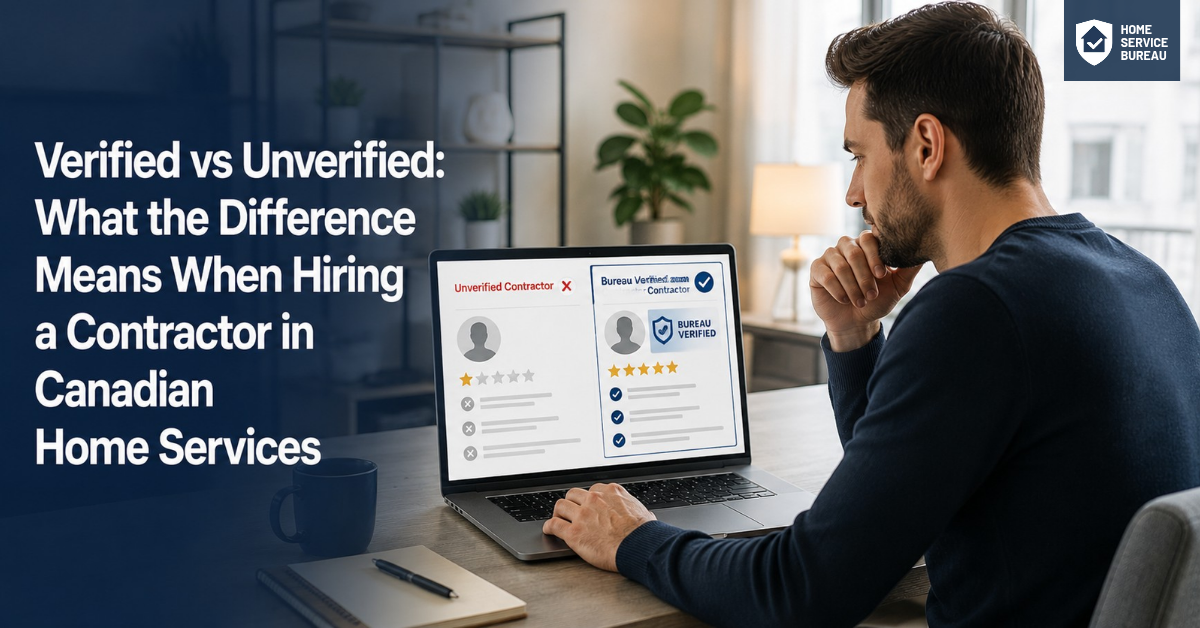


A kitchen renovation, a roof replacement, or a basement build moves quickly once the crew arrives. The decisions that actually protect you, though, happen well before anyone picks up a tool. That is why GTA homeowners increasingly rely on a verified platform to reduce project risk instead of scrolling through open directories and hoping the first caller checks out. Verification moves the background work off your plate and into a process that runs before contact. This guide explains where the real exposure sits, what verification covers, and how Canadian home services project risk reduction works in practice across the Greater Toronto Area.
Why Project Risk Lands on the Homeowner First
Homeowners carry more of the risk than most people expect. You own the property, you hold the insurance policy, and you sign the cheque. If a worker gets injured on an uninsured job site, your household policy absorbs the first questions. And, if a permit never gets pulled, the municipality contacts you, not the trade. If workmanship fails two winters later, you chase the warranty.
Open marketplaces rarely change that balance. They connect you quickly, but they push every verification step onto you insurance certificates, licence status, references, and written terms. Most homeowners simply do not have time to audit four bidders properly. Licensed contractors in Ontario risk management starts with acknowledging that gap and closing it with a process rather than with instinct.
5 Project Risks Verified Platforms Reduce
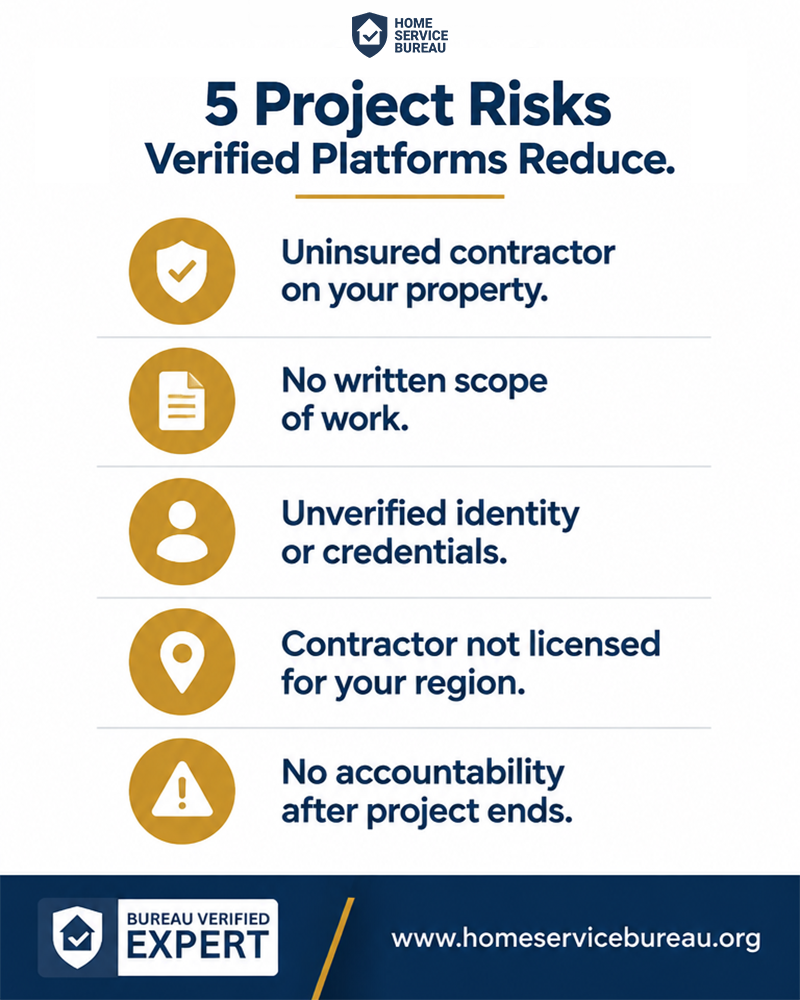
Verification targets five specific failure points. Each one causes real financial damage, and each one appears long before the work goes wrong.
1. Uninsured Contractor on Your Property
Liability coverage protects your home from damage caused during the work. Workplace coverage protects you if someone gets hurt. A platform that confirms both before contact removes the single most expensive exposure in any renovation.
2. No Written Scope of Work
Verbal agreements create disputes. A written scope defines materials, timelines, payment stages, and exclusions. When both sides sign the same document, disagreements become clarifications instead of conflicts.
3. Unverified Identity or Credentials
Anyone can print a van decal. Verification confirms that a business exists legally, operates under the name it advertises, and holds the trade credentials it claims. This step underpins Bureau Verified homeowner protection.
4. Contractor Not Licensed for Your Region
Ontario regulates several trades tightly. Electrical work requires a licensed contractor registered with the provincial electrical authority. Gas and HVAC work requires certification through the provincial technical standards body. New home construction carries its own builder licensing. Municipal permit rules also differ across GTA regions, so a contractor operating outside their approved area creates compliance problems you inherit.
5. No Accountability After the Project Ends
Deficiencies surface after the final invoice. A verified listing ties a contractor to a reviewable record, which gives you a path forward when warranty questions arise months later.
3 Steps to a Lower-Risk Hire
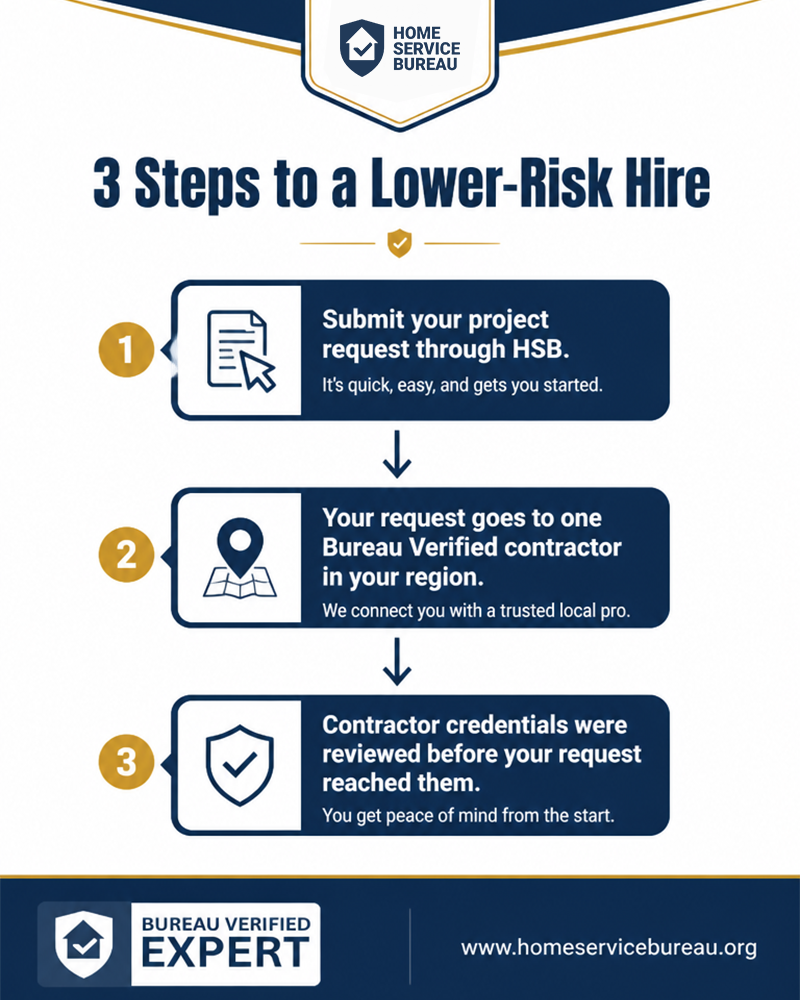
The process stays deliberately simple, because complexity discourages people from doing the checks at all.
Step 1 Submit your project request through HSB. You describe the work, the location, and the timeline. The submission takes a few minutes and starts the matching process immediately.
Step 2 Your request goes to one Bureau Verified contractor in your region. You avoid the usual flood of competing calls. One professional receives your details, and that professional already serves your area.
Step 3 Credentials were reviewed before your request reached them. Insurance, licensing, and business standing pass review first. You begin the conversation from a position of confidence rather than investigation.
This sequence explains why verified contractor platform safety Ontario standards focus on pre-screening. Checks completed after contact arrive too late to influence your decision.
What Verification Can and Cannot Do
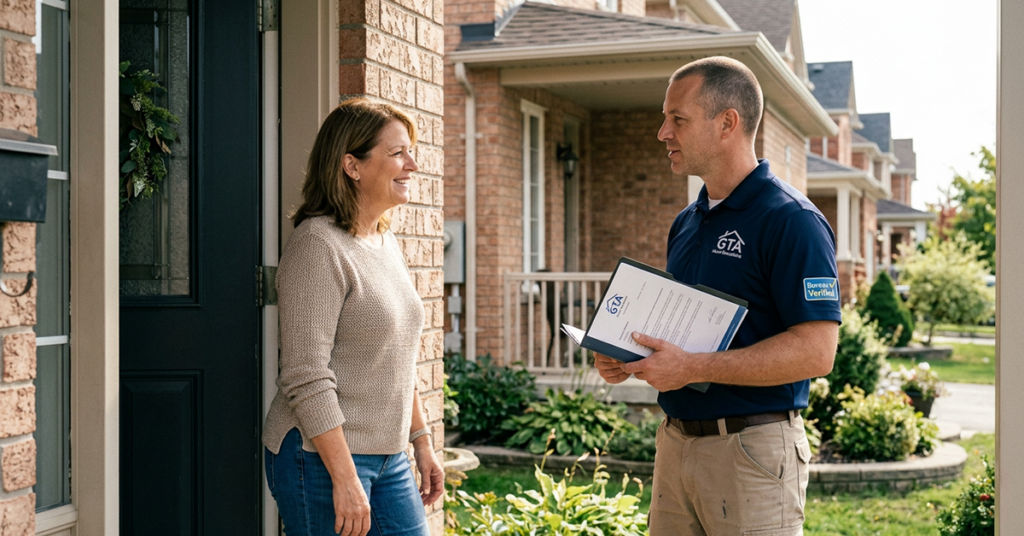
Honest expectations matter here. Verification confirms status at a point in time coverage held, licence valid, business registered. It does not guarantee craftsmanship, predict scheduling delays, or replace your own judgment about design, materials, and price.
You still read the contract. And you still confirm that permits get pulled where the municipality requires them. You still hold back final payment until the deficiency list clears. Verification removes the avoidable risks so you can focus your attention on the ones that genuinely require it.
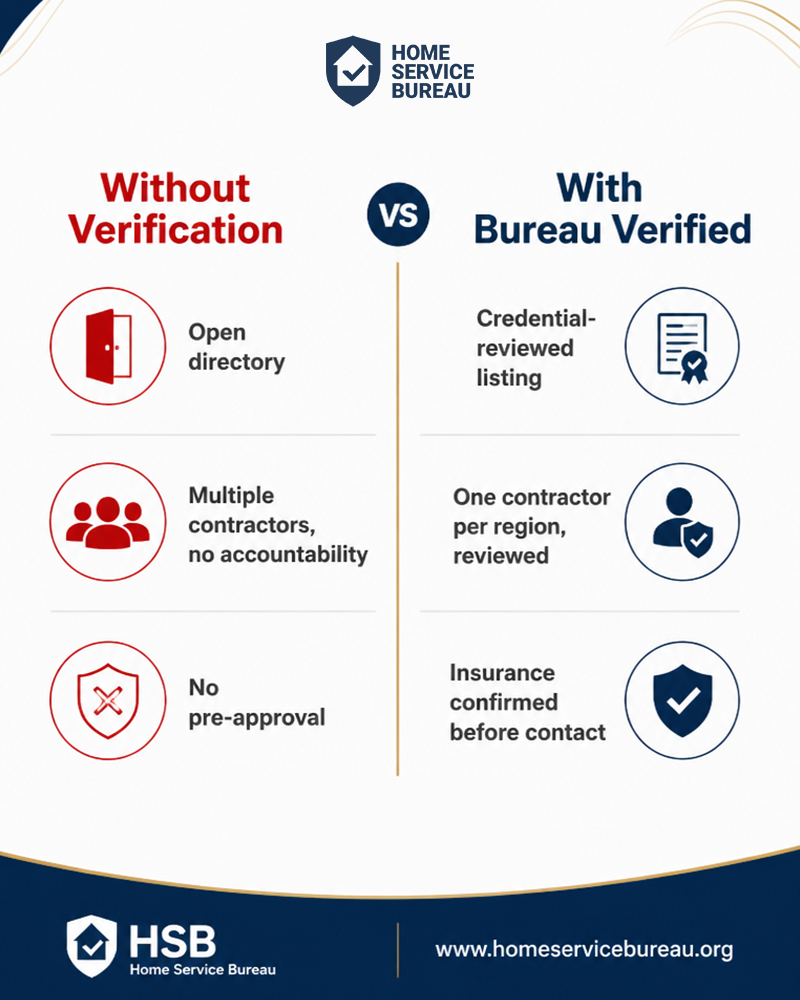
Without Verification vs With Bureau Verified
The contrast becomes clearer when you compare the two models directly.
An open directory accepts listings freely. Anyone who pays or registers appears in your results. Multiple contractors chase the same lead, which encourages pressure tactics and rushed quotes. Nobody pre-approves insurance, so you discover coverage gaps only if you think to ask.
A credential-reviewed listing works the opposite way. The platform checks documentation before publication. One contractor per region receives your request, which preserves accountability and keeps the conversation calm. Insurance confirmation happens before contact, not during a negotiation.
That structural difference explains how homeowners reduce home project risk GTA-wide without becoming compliance experts themselves.
A Short Pre-Signing Checklist
Before you commit, confirm five things in writing: current liability and workplace insurance, the licence relevant to your specific trade, a detailed scope with exclusions, a payment schedule tied to milestones, and a stated warranty period. Ask who pulls the permit and who books inspections. Keep every document in one folder. Ten minutes of paperwork protects a five-figure investment.
Lower Your Project Risk From the Start
Renovation stress rarely comes from the building work itself. It comes from uncertainty about coverage, credentials, and accountability. Verification removes that uncertainty at the only moment it helps, which is before you commit.
Home Service Bureau (HSB) built its process around exactly that principle. Submit your project request once, and HSB routes it to a single Bureau Verified contractor serving your region, with insurance, licensing, and business credentials reviewed beforehand. You skip the cold-call scramble and start with a professional who already cleared the checks.
Ready to protect your next project? Submit your request at www.homeservicebureau.org and hire with verified confidence.
Frequently Asked Questions
1. What does a verified contractor platform actually check?
It reviews business registration, liability insurance, workplace coverage, and trade licensing relevant to the work. The platform completes these checks before publishing a listing, so homeowners receive pre-screened matches rather than unscreened contact details.
2. Do all contractors in Ontario need a licence?
No. Ontario licenses specific trades tightly, including electrical, gas, and HVAC work, plus new home building. General renovation work often falls outside provincial licensing, which makes independent verification and municipal permit compliance especially important for homeowners.
3. Why does receiving only one contractor matter?
One match removes bidding pressure and preserves accountability. You hold a focused conversation instead of fielding competing calls. Responsibility stays clear throughout the project, and follow-up after completion becomes far simpler.
4. Does verification replace getting multiple quotes?
It does not. Verification confirms credentials, not pricing. Homeowners who want price comparison should still request additional quotes, while using verified matches to guarantee every bidder meets baseline insurance and licensing standards.
5. What happens if a contractor lacks insurance mid-project?
Your household policy may face the claim, and your liability increases considerably. Confirming active coverage before work begins, then requesting renewal certificates on longer projects, prevents this gap from appearing unexpectedly.
6. Who pulls the building permit in the GTA?
The homeowner ultimately holds responsibility, though most contractors apply on your behalf. Confirm the arrangement in writing before work starts, because unpermitted work complicates insurance claims and future property sales significantly.
7. How does a written scope reduce disputes?
It converts assumptions into agreed terms. Materials, timelines, payment stages, and exclusions all appear in one document. When questions arise later, both parties reference the same signed record instead of competing memories.
8. Is verification useful for small repair jobs?
Yes. Smaller jobs still involve someone working inside your home and potentially damaging property. Insurance and identity verification carry the same value regardless of budget, even when licensing requirements stay minimal.